Blog

  • Find Your Perfect Colour & Style Of Tie

    Find Your Perfect Colour & Style Of Tie

    When coming to pick out a colour or style of tie for an occasion it can become a tricky affair, well here at Ties R Us, we’re hoping to help. Our tips on which style suits the occasion and your suit better to what colour blend well with each others and how to avoid a clash and ruin what could potentially be a big day in your life.

    Weddings

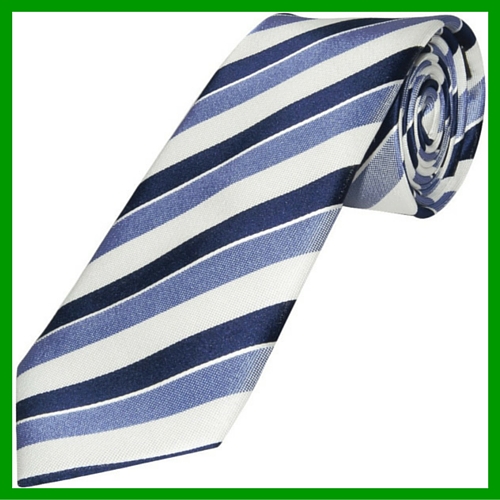
    A wedding is probably going to be the biggest day of your life, if it’s yours that is your wedding, but even if you’re part of the wedding ensemble finding the right colour is key. Obviously, having the groom, his best man and ushers all in the same coloured tie is the best way to go, we’d recommend a traditional cut tie rather than a skinny one. Try and tick with the traditional rich colours you would usually expect from a wedding, so cream, gold, silver and lilac are all real winners. Alternatively, you could have the groom in one colour and have the rest of the party in a contrasting colour, for example a gold tie for the groom so he stands out with the rest in a silver tie. If you’re just attending a wedding don’t be afraid to go for the a patterned tie to really bring your outfit together though, they look great with all suit colours.

    BeFunky Collage 3


    Prom

    With it being a prom, it’s usually going to be a first suit so likeliness is it will be a skinner cut one, which are all the trend lately. With that being said a skinny tie is the obvious choice for a prom, it gives off a younger vibe and looks great. Patterned and striped ties work very well in a prom setting, with bolder colours coming through, so think green, red, blue and silver at a push, depending on the colour of your suit.

    Interviews and Formal Parties

    Again the skinny tie looks great in both of these settings, but obviously tailored to what job you’re applying for as to how bold of a colour to wear, subdued and subtle colours are always a winner. As for formal parties depending on the theme you can never go wrong with a darker coloured tie, they look great paired with any colour

    Colour Of Your Suit

    Depending on the colour of your suit is what colour tie and hanky we would recommend, there are some colours that work extremely well against each other but some that should be avoided.

    Blue Suit: For a blue suit, most being a darker shade, we’d recommend a bold colour or patterned tie. Think red, purple, orange, green and silver.

    Black Suit: A black suit can be tricky as you’d easily get away with a black tie on a white shirt, but usually that’s a look reserved for a funeral, but then again in certain party themes you may be on to a winner. Again, think bolder block coloured ties, like red, orange, silver and don’t be afraid to try a pink one, also a brilliant white tie looks excellent against a black shirt!

    Grey Suit: You can never go wrong colour wise with a grey suit and it’s a good excuse to wear colours that wouldn’t work with other coloured suits, such as yellows and peaches, but also stripped ties and gold black and blue colours contrast very well against a light or dark grey suit.

    BeFunky Collage 4

  • Mix And Match Ties & Pocket Squares

    Mix And Match Ties & Pocket Squares

    At Ties R Us we stock a whole range of incredibly stylish ties, bow-ties, pocket squares and accessories, we cater for all types of personalities and colour themes so you’re bound to find something for you. When it comes to ties and pocket squares matching them up can be a tricky affair, but we’re here to tell you that mixing and matching pocket squares and ties in band on trend.
    Paisley & Solid Colour

    Paisley style clothing has come right back into fashion over the past couple of years, as a sort of nod to 60’s and 70’s fashion. The style has crept into the world of ties and there has been some
    stunning designs. A blend of rich and subtle colours makes a great paisley pattern, and we at Ties R We stock some incredibly stylish designs of paisley ties and pocket squares. Just because your tie is of a paisley design doesn’t mean your pocket square has to match, and vice-versa, try a matching solid colour, or even a contrasting solid colour if you want to make a statement, the pattern and block colour work incredibly well together.

    Polka Dots & Solid Colour

    Much like the paisley design polka dots are and have always been right in style when it comes to ties and pocket squares. But we would recommend going for a solid colour tie and a polka dot pocket square rather than the other way round. The small amount of polka dots in the form of a pocket square is much more eye catching, especially with larger polka dots. Try to avoid larger polka dots on a tie as you could drift towards becoming too ‘wacky’, however smaller dots on a tie are always on trend and look great in any setting.

    BeFunky Collage


    Stripes & Spots

    For a truly unique look, try pairing a striped tie with a polka dotted pocket square. The style is great for any formal situation, such as wedding or christenings, try both brighter and more subdued colours to find your perfect combination, also the bolder colours are great if you wanted to make a fashion statement.

    Contrasting Colours

    Instead of the same pairing of traditional block colours together, why not think out of the box and mix and match contrasting colours? It’s very much up to personal taste with what colours you think you suit best, it’s always a great way to match to your personality or to even seasons/occasions; think green and reds for around christmas time for example.


    BeFunky Collage 2


  • Different Ways To Tie Your Tie

    Different Ways To Tie Your Tie

    If you’re sick or tying your tie in the same old way every time, the way you’ve been used to for years, we’ve got something great to help you out. Check out our easy to follow guide for three incredibly stylish knots, don’t be afraid if they look a little complicated at first, practice makes perfect after all!

    infographics_ties (1)


  • Lighter Colours For Summer

    Lighter Colours For Summer

    With summer finally here and the sun shining it’s about time to put away the darker shades and get out the lighter colours. With fantastic products available at Ties R Us we’re taking a look at which colours work well in the summer months.


    1431425830-62838000


    Coral

    It may take some work to pull off a coral tie, but the clean look certainly is a winner for the warmer months. We’d advise wearing a coral coloured tie in a prom or wedding setting, usually working well with a grey suit. Cream ties also look great as part of a the wedding ensemble, with the groom, best man and ushers all wearing the matching colour.


    plain-mint-green-satin-classic-mens-tie-and-handkerchief-set-p301-2319_zoom


    Mint

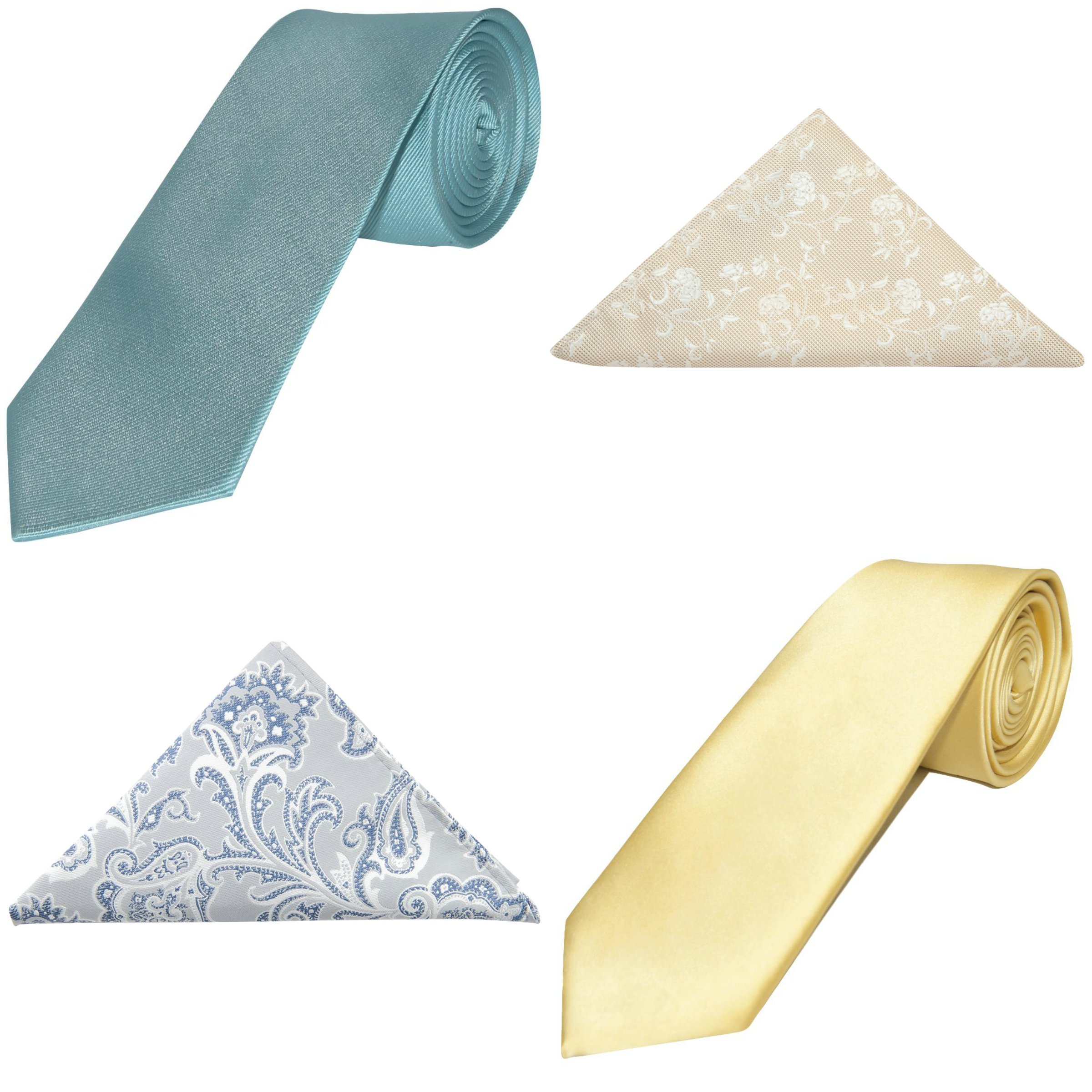
    Mint coloured ties and bow ties come across as incredibly stylish and on trend, and go perfectly as a wedding tie. The contrast against a darker suit or white shirt really works well. Especially in the warmer weather, the mint colouring really gives off a summery feel and can be used to reflect a person’s mood. To give off an edgier, cool vibe try a mint bow-tie.


    Peachplain-peach-hand-made-mens-bow-tie-and-handkerchief-set-p230-1237_medium

    The quintessential subtle summer colour when it comes to ties and bow ties, it works great with whatever colour you put it with. In an array of different shades of peach, you can really customise your suit to how bright and bold of a peach colour you want, with different shades suited for different purposes. Try a lighter bolder shade for weddings, where a more toned down version for a formal parties, events and work.


    Orange/Yellowplain-bright-yellow-satin-skinny-mens-tie-p35-1443_zoom

    The bolder block colours of yellow and orange scream summer style. Ideal if  your plan is to stand out or make a statement, these shades would work really well again within a wedding party. Paler shades of yellow and orange are not only the perfect representation of warm colours, but look superb when matched with the right colours such as greys and blues.


    Obviously there are many more colours suited for summer wear out there these are just a few of our favourites. Don’t be afraid to go for ‘out-there’ colours that you usually wouldn’t mix with your smarter outfits and make them come alive, adding a splash of colour to black, white, blue or grey is never a bad thing!

  • Iconic Ties and Bow Ties Throughout History

    Iconic Ties and Bow Ties Throughout History

    The tie as we know it to be today has had a long history, with the modern design roots dating back to the late 1800’s. As we’re all about ties and bow ties here at Ties R Us, we’ve taken a look at ties and bow ties through history – the evolution, the rise and fall of certain designs and the very best and worst of the styles made famous by music, films and celebrities.

    In The Beginning…
    The back end of 1800’s witnessed the introduction of the familiar design we’re used to seeing today, but it wasn’t until decades later that ties and bow ties were prominently featured in everyday fashion. After the first World War is when the much more flamboyant hand-painted designs were introduced to the fashion world, leading to everything becoming much more colourful.

    1920’s
    The 1920’s brought about two very different looks in the tie fashion world. The introduction of the first ‘designer tie’ popped up in France, being inspired by cubism and art deco designs with bright obscure colours and designs. The iconic gangster prohibition look was all the range in America, suited up with a smart plain dress tie, which spawned the white tie on a black shirt look.

    1930’s & 40’s

    One of the most famous tie knots, that’s definitely the most stylish, was invented in this era of history. The Windsor knot, invented by the Duke of Windsor, or his father George V (no one really knows!) Towards the end of the 1940’s the colour of ties were becoming much more subdued and less decorative, thanks to the incredibly surge in popularity of jazz and swing music, with Frank Sinatra being the ionic ‘poster boy’ for the end of the era.

    1950’s

    The 50’s, the era where it all became much more stylish and suave. Thanks to legends such as Frank Sinatra and Dean Martin, the dark tie and bow tie came in with a bang, becoming every day attire. Of course bow ties were still only reserved for formal events or smart events. The era was leading towards a part in history where everything was becoming smaller and thinner, in regards to ties.

    1960’s
    In Britain ties and suits were getting skinnier, with everyday dress becoming more formal. The rise of the Mod craze in the UK, propelled by the likes of The Who, led to skinny ties being pushed to the forefront of fashion. A little band known as The Beatles were also sweeping the globe, keeping the dark coloured smart look ties in fashion with their legions of fans, especially in their early years.

    1970’s
    The era of the skinny ties continues, with up and coming bands such as The Jam keeping up the ‘mod’ trend. Thanks to the change in fashion the actual colour of the ties slowly started to creep back to becoming much more colourful and flamboyant. Another step was the invention of the kipper tie, which is where ties went bigger and bolder – with garish designs being prominently featured on most.

    1980’s
    In the 1980’s everything went a bit pear-shaped for fashion, the ‘kipper tie’ design was still out in full force and the decade also brought us the infamous piano tie. Fortunately the professional look ties were still intact, with many sporting subtle coloured striped ties, something which continued into the 90’s.

    1990’s

    Out with the garish and bright coloured ties and in with classy floral patterned and soft colour ties. The 90’s brought a wave of much more uniform and stylish wedding ties in an array of much darker colours. The pinstripe tie and polkadot bow tie, which were still only worn for formal events, had a massive surge in popularity which has stayed until this day.

    2000’s – Today
    Since the year 2000, the skinny or slimmer tie is still a massive choice for people around the world. Different materials that wouldn’t have been used for ties became popular, such as knitted ties in a variety of sophisticated stylish colours. Finally for it’s own turn in mainstream fashion the bow tie became an item of everyday fashion. Thanks to Matt Smith’s turn as Dr Who, whose portrayal of the Dr seen him choosing to wear a bow tie, he tried and succeeded to make this statement fashion cool again.


    At Ties R Us we pride ourselves on staying ahead of the trends when it comes to ties and bow ties, take a look at our full range to find the perfect match for your wardrobe today.


  • The Gentleman’s Guide to a Perfect Suit

    The Gentleman’s Guide to a Perfect Suit

    main blog image

    blog-1

    Collar

    The suit collar should follow the shirt collar very closely – there should be NO GAP. The overlapping lapel should not raise and curve against the shirt, but lie flat at a straight angle.

    Shoulders

    Your suit should ALWAYS have perfectly tailored shoulders. If they end slightly before or slightly after your own shoulders the jacket will not look its best.

    Buttons

    If you are wearing a two button suit jacket then only the TOP button should be fastened. If you are wearing a three button suit jacket then the MIDDLE button should be the only one fastened. The fastened button should also never fall below the navel.

    Jacket Length

    Your knuckles should be even with the bottom of your suit jacket.

    Shirt Sleeve Length

    Between a quarter and half an inch of your shirt cuff should be visible after your suit jacket arms.

    Suit Jacket Sleeve Length

    Jacket sleeves should fall where the base of your thumb meets your wrist, not below, and not above.

    Trouser Length

    You should have around one inch of break falling over your shoes. Too much break looks sloppy and ill fitting, whereas too little break will show your socks or ankles.

    Shoes

    Navy Suits will great with black, brown, red/burgundy shoes.

    Grey/Black Suits will also look great with black, brown, red/burgundy shoes.

    Brown Suits will benefit from brown or red/burgundy shoes.


  • How To Tie The Perfect Tie

    How To Tie The Perfect Tie

    Tying the perfect tie is an art form, it makes all the difference in how your shirt and tie combo look. A simple touch such as a dimple in a tie can add both sophistication and depth to one man’s outfit, whereas an unbalanced and rushed knot can make it look like a clip on.

    There are a few different knots you should identify yourself with. These are great to know, as one of the best ways for a man to accessorise is with a tie. Some knots go better with certain outfits and others accent your body frame in a more flattering way. You should get to know at least ONE knot perfectly.

    Today we’ll be taking a closer look at four of the most popular tie knots – the Windsor knot, the Half-Windsor knot, the Four-In-Hand knot and the Pratt knot – to ensure you’re prepared for any situation.

    The Windsor knot.

    The Windsor knot is the most popular knot and the most used knots for shirt and suit combos. It is a thick, wide and triangular knot that projects confidence. It would therefore be your knot of choice for anywhere you need to look respectable, such as at work. Because of its size, the Windsor is best suited for wide spread collar shirts.

    How To Tie A Windsor Knot

    1. Begin with the wide end of the tie on your right side, and the narrow on the left.
    2. Place the wide end across the narrow end.
    3. Bring the wide end around and throw the neck loop.
    4. Bring the wide end back down to the right.
    5. Pull the wide end underneath the existing knot.
    6. Bring the wide end through the neck loop again – this creates a symmetrical shape.
    7. Bring the wide end back down and to the right.
    8. Loop the wide end in front of the existing knot, up to the neck loop from underneath then down through the newly created loop.
    9. Tighten / adjust knot as needed.

    The Half Windsor knot.

    The half Windsor knot differs from the Windsor in that it’s not as wide, but still wide enough that you should make sure it’s not pushing your collar up awkwardly. You’ll come to rely on this knot pretty heavily as it works for almost every occasion. It is a lot easier to get the hang of than the Full Windsor.

    How To Tie A Half-Windsor Knot

    1. Begin with the wide end on your right and the narrow on your left.
    2. Bring the wide end across over the narrow end.
    3. Bring the wide end upwards, through the collar loop, then bring down.
    4. Now cross the wide end underneath your knot, then cross over the narrow end.
    5.  Pull through the collar again, then pull through the neck loop.
    6. Tighten / adjust knot as needed.

    Four-in-hand knot.

    If you’re looking for a knot to wear with casual clothing then the four-in-hand knot is ideal. It’s naturally going to be a little asymmetrical, so don’t be discouraged that it doesn’t look straight. The dimple is much harder to produce on this kind of knot, and sometimes will not form at all. This is a great knot for those times you’re in a rush too.

    How To Tie A Four-In-Hand Knot

    1. Place the wide end to the right, around 12 inches below the narrow end.
    2. Bring the wide end over the narrow end.
    3. Bring back underneath, then around to create a full loop.
    4. Pull the wide end up through the neck collar, then down through the loop.
    5. Tighten / adjust knot as needed.

    Pratt knot.

    The Pratt is neither as large as the Windsor nor as narrow as the four-in-hand knot, it pairs well with most dress shirts and looks suitable on any occasion.

    How To Tie A Pratt Knot

    1. Begin with the tie upside down.
    2. The wide end should be to the right, and around 12 inches below the narrow end.
    3. Bring the wide end underneath the narrow end.
    4. Bring over, and through the neck loop.
    5. Bring the wide end in front of the narrow.
    6. Bring underneath, and slide through the loop.
    7. Adjust / tighten knot as needed.

    Now that you’re familiar with how to tie the perfect tie for every occasion, why not take a look through our men’s tie range here at Ties R Us and find the ideal tie for you!